
|
07-06-2011

.....................................................................................................................................................................................................................................
07-06-2011
Facebook making art of small talk with
strangers disappear
From ANI
London, May 31: The art of making small
talk with strangers is fast disappearing
as more and more people prefer to
communicate through social networking
site Facebook, reveals a new survey.
The survey carried out by organic tea
brand Clipper revealed that two-thirds
of Britons regularly talk to people on
Facebook who they would never see in
person.
A staggering 70 percent of the 1,000
people polled said they thought the art
of conversation was dying because of
texting, email and social media.
A third would strike up a conversation
with a stranger only if they were lost
and needed directions, and just over
half said they see the same people every
day on the way to work, at lunch or
walking the dog.
But four out of 10 said it would be
"weird" to say hello, while others said
they were shy or "could not think of
anything to say", so ignored them.
The problem is particularly bad among
those aged under 30, with 58 percent
saying they avoid talking to people they
see often, but do not really know.
However, their parents' generation
appeared friendlier with 63 percent of
people aged between 45 and 59 happy to
strike up a conversation with people
they see regularly.
Pensioners were friendlier still with 74
percent happy to talk to people they see
on a daily basis.
"There is a great nostalgia about
manners and a sense there was some
golden age, but what people really crave
is that we all treat each other with
respect," the Daily Express quoted
etiquette expert and former 'That's
Life!' presenter Simon Fanshawe as
saying.
Copyright Asian News International/DailyIndia.com
.....................................................................................................................................................................................................................................
12-05-2011

.....................................................................................................................................................................................................................................
15-04-2011

.....................................................................................................................................................................................................................................
21-03-2011
Express Hospitality 1-15 March 2011
Handcrafted to perfection
Hand crafted, of high quality and most
often produced by families who have been
perfecting the recipe over generations,
artisan food products are seeing slow
growth in an era of mechanisation and
mass production.
In an age where mass packaged food
products are seen flying off the shelves
of super markets and retail stores, a
segment which has not had much presence
in the Indian market is that of
artisanal foods. Handcrafted, made in
small batches, and with high quality
ingredients, these food products
represent their specific regions and are
usually prepared by families who have a
history of two or three generations of
production and have established a
reputation for quality and variety for
the same.
According to The National Restaurant
Association’s 'What’s Hot' survey of
more than 1,500 professional chefs who
are members of the American Culinary
Federation (ACF), an increased focus on
sustainability has lead to an increased
demand for artisan liquor,
locally-produced wine and beer and
artisan cheese. Though globally the
trend is inclining towards going
artisan, India is yet to embrace it
wholehartedly.

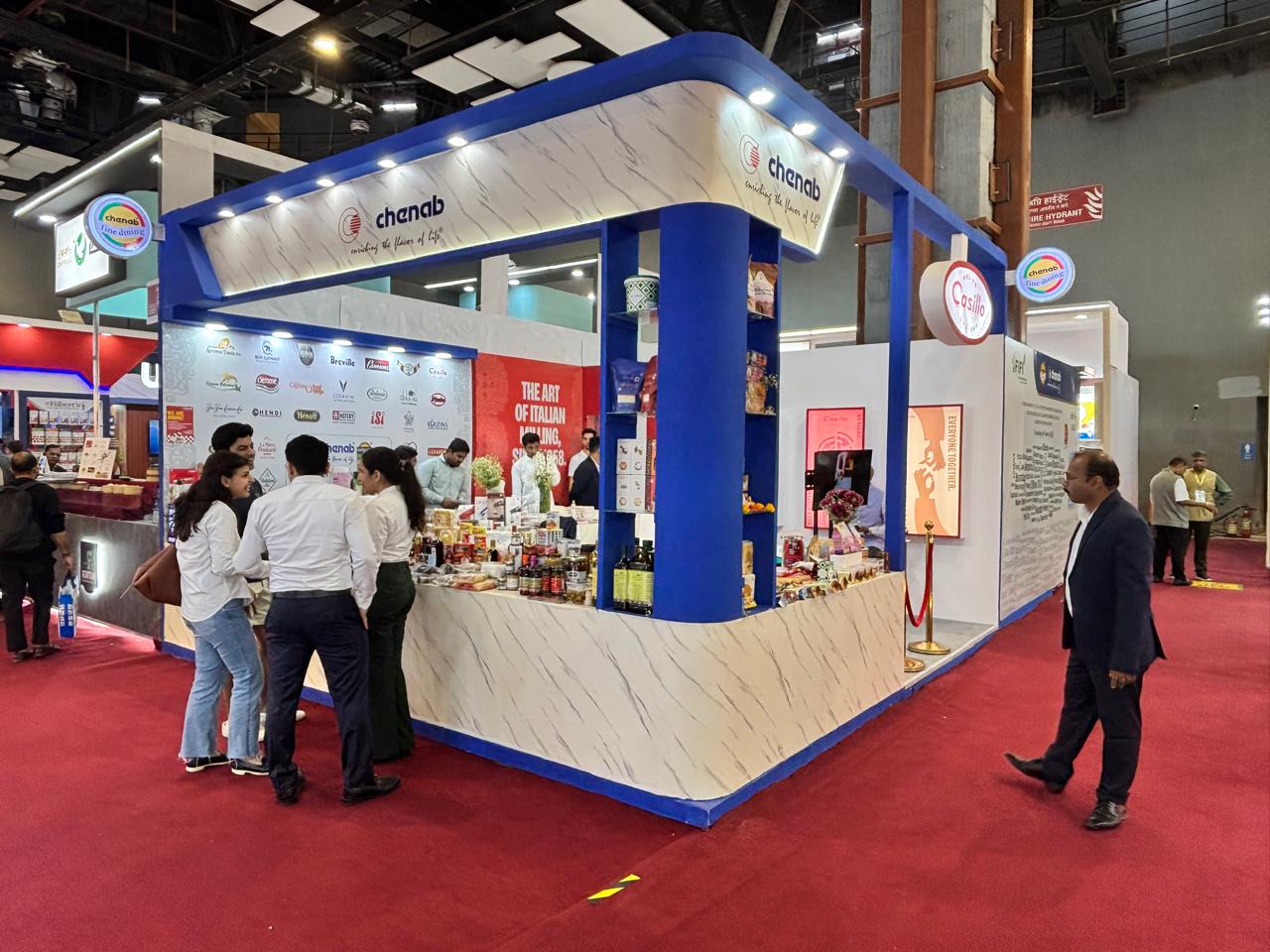
One of the first companies to bring
artisanal foods in to India was Chenab
Impex which introduced Cipriani Pasta
and Delouis Mustards, into the India
market in 2003. "Since then, we have
launched many more brands such as Amedei
Chocolates, Barnier French Olives, Fine
Cheese Crackers, Shortbread House of
Edinburgh, etc. The demand for artisanal
foods is growing, but it is limited to
such consumers who have both the taste
and are willing to pay a premium as
compared to FMCG foods," explains Anil
Chandhok, director, Chenab Impex. The
company currently offers more than 20
brands of artisanal foods from Italy,
France, UK and Spain. Primarily because
of its price barrier and limited
availability, Chandhok believes that the
metro cities are the main markets. "Artisanal
foods appeal to those with a refined
palate and international exposure," he
explains.
However, Maya Goburdhun, director of
Navdanya, which is a network of seed
keepers and organic producers spread
across 16 states in India, is of the
belief that it is not urban India, but
the villages that are more appreciative
of artisanal foods. She says, "The urban
population in India, which has been
exposed to industrial food, is the least
aware about it. However, we notice that
due to various factors, such as rising
obesity and other lifestyle diseases,
more and more people in the metros are
becoming aware of the need to consume
non industrial food. In the villages,
thanks to the 'Grandmothers' food
wisdom, people are more appreciative of
artisanal food which, because of the way
it is processed, has far more nutrition,
far less chemicals (infact almost nil)
and is more ecological."
With an increase in income and consumer
awareness, there is a huge scope for
growth of artisanal food products in
India, believes Mohit Khattar, MD & CEO,
Godrej Nature's Basket. The retail
outlets of Nature’s Basket offers
artisanal cheeses and meats, and also
have some select food products such as
antipasti, jams, chutneys, select
handmade muffins and cakes. Chef Shishir
More, sous chef - Lotus Cafe, JW
Marriott Mumbai, believes that artisanal
cheese is gaining popularity nowadays as
the the cheese is often more complex in
taste and variety. "Many are aged and
ripened to achieve certain aesthetics.
With a more positive consumer outlook
towards specialised premium sector,
artisanal cheese is gaining in
popularity."
Creating awareness
One of the main aspects that has
hindered the growth of artisanal food
products in India is lack of awareness.
Being a new concept in India, select few
retailers that house this kind of food
have the responsibility of educating
consumers of the same. "At Nature’s
Basket, we consciously host events,
introduce special offers and in store
information to promote artisanal food.
However, we have a long way to go,"
remarks Khattar.
The JW Marriott, Mumbai recently held an
artisanal cheese promotion, which, as
per chef More, has garnered positive
response. "The response for the
artisanal cheese promotion held at the
hotel has been phenomenal. Our
expatriate guests liked it very much and
so did the many guests who visited the
coffee shop."
Through its Mahila Anna Swaraj programme,
Navdanya works with various women self
help groups to bring artisanally
processed food to the table. They have
managed to garner a market for these
products. "Last year we had an Achar,
Papad, Vadi festival, showcasing almost
30 different types of pickles and papads
as well as several types of vadis, which
was a big success. Moreover, we also,
through our food literacy school
programme, hold workshops to educate
school goers about the harm caused by
chemical and industrial food, both to
the health of the planet and our own
health and educate them about the
benefits of organic and artisanal food,"
Goburdhun states.
It is not only international artisanal
food products which are gaining ground,
Indian growers are also finding means to
make their produce available in the
market. Gobardhan believes that the
whole of India has something to offer in
this area. "The pickles of Andhra
Pradesh, Maharashtra, Gujarat, Tamilnadu,
etc., are very different from those of
Punjab, UP, Bihar, Rajasthan, etc.
Papads and vadis also come in diversely
processed ways: You can have jackfruit
papad from South India, ragi papad from
Maharashtra, sagu and other dal papad
from UP, Bihar, etc."
Despite the limited knowledge and price
barriers, the market for artisanal food
products in India is growing. The growth
will be slow and steady and will
correspond with the growth of gourmet
stores, believes Chandhok. "For a
country where most households consume
freshly cooked meals and there is a
general apathy towards canned food, the
potential is phenomenal," states Khattar.
And, as the awareness for the health and
ecological benefits of artisanal foods
grow, so will its consumer base,
concludes Goburdhan.
.....................................................................................................................................................................................................................................
15-03-2011
Savvy Cookbook

.....................................................................................................................................................................................................................................
12-11-2010
Livingetc - India

.....................................................................................................................................................................................................................................
01-11-2010
Home Page L3

.....................................................................................................................................................................................................................................
01-10-2010
Open Magazine

.....................................................................................................................................................................................................................................
05-09-2010
Foie Gras, prepared from the
fattened liver of geese and duck,
curries favour as a fine gourmet
food

Foie Gras Framboise
Christmas is coming,
the geese are getting fat, fat, fat.
Please put a penny in the old man’s hat.
The true import of the words in this old
Christmas carol may not have struck us
as children. But now, having sampled the
Foie Gras, we are a little wiser.
Carving an irreplaceable niche in the
realm of fine foods, Foie Gras
(pronounced as fwa gra), has been a
coveted favourite of gourmets and
gourmands alike for centuries now. While
the process of procuring Foie Gras has
raised the hackles of many a
humanitarian, the fact remains that
today, the delicate buttery flavour of
Foie Gras is increasingly finding favour
worldover. Foie Gras or ‘fattened liver’
refers to the liver of geese that have
been fattened by force feeding them with
figs. Hence the term ‘foie’ (fig) and
‘gras’ (fat).
The origins of this gourmet delicacy
date back to 5th century BC, the
earliest reference noting Egyptians
raising fattened geese, though Foie Gras
as a distinct food earned its own
identity only during the Roman period.
Yet another school of thought believes
that the tradition was kept alive by the
Jews, who are said to have learnt the
method of fattening geese during the
Roman colonization of Israel or perhaps,
even earlier, from the Egyptians. Today
though, the biggest consumers and
producers, as well as importers of Foie
Gras are the French.
Foie Gras can either be that of goose –
Foie Gras Doie – which is considered
gastronomically higher, or of duck –
Foie Gras de Canard. The grey Toulouse
goose or the Moulard duck, which is a
crossbreed of the male Muscovy duck and
the female Pekin duck, are the most
preferred birds for procuring Foie Gras
from.The best variety of Foie Gras comes
from Perigord in France.
The very premise of producing Foie Gras
is to fatten the liver, thus creating a
rich, buttery flavour. Geese and ducks,
both being migratory birds, possess the
capacity to store excess fat in their
bodies for their migratory flights
during winter. Fattening the geese may
sound simple enough, but in France, the
process is taken seriously enough for
them to put a legal definition to it,
with a stage-by-stage technique called
‘gavage’ used to plump up the birds.
Gavage involves force feeding the birds
with corn boiled with fat – four times a
day for geese and twice daily for ducks
– to make them gain weight.

Truffles Mushroom
In USA, Foie Gras is classified as grade
A, B or C. Grade A has the highest fat
content and is best suited to low
temperature preparations as there are
also relatively fewer veins and the
non-visibility of obvious blood makes
for a pleasing appearance. Grade B works
well for high temperature cooking as the
higher content of protein in it gives
the liver more structure after being
seared. Grade C is preferred for making
sauces and in other preparations, as the
veins do not impair the aesthetic appeal
of the dish.
Whole Foie Gras or Foie Gras Entier is
something of a rarity in terms of
accessibility. It is usually available
only during Christmas in France. There
are other forms such as Foie Gras made
of smaller pieces of liver assembled
together, or Bloc de Foie Gras, a fully
cooked block, or load of Foie Gras that
must contain at least 98 per cent or
more of Foie Gras. If it is labeled Avec
Morceaux (with pieces or morsels), it
must contain at least 50 per cent of
Foie Gras pieces for goose and 30 per
cent for duck. The most popular forms of
Foie Gras though, and also relatively
easily available, would have to be the
Pâté or Mousse de Foie Gras, both of
which comprise of at least 50 per cent
Foie Gras or the Parfait de Foie Gras
which has 75 per cent or more.
.....................................................................................................................................................................................................................................
23-08-2010
Sakal Times, Pune

.....................................................................................................................................................................................................................................
02-08-2010
Sunday Mid Day - 1st Aug 2010

.....................................................................................................................................................................................................................................
02-08-2010
Hindustan times Mint- 10th July 2010

.....................................................................................................................................................................................................................................
30-07-2010
Time Out Mumbai
Magazine - Dolce Vita Olive Oil
Chenab Impex introduces Dolce Vita
olive oil, produced from the first
cold-pressing of Italian olives. It
boasts of a rich olive-green colour,
thin consistency (for effective
coating and cooking), subtle
sweetness and a peppery aftertaste.
The extra virgin olive oil is best
enjoyed drizzled on salads or on
cooked dishes.
Available at all major
supermarkets including Hypercity,
Malad (4007-8400), Reliance Fresh,
Dadar (2415-5017) and Nature’s
Basket, Haji Ali (2352-6775). Place
your order online at sales@chenabimpex.com.
Rs 100 for 100ml.
.....................................................................................................................................................................................................................................
08-07-2010

.....................................................................................................................................................................................................................................
21-06-2010

.....................................................................................................................................................................................................................................
10-06-2010

.....................................................................................................................................................................................................................................
09-06-2010

.....................................................................................................................................................................................................................................
28-04-2010
Gourmet foods flying off shelves in
India
PV Narasimha Rao was a scholarly Brahmin
from Andhra Pradesh as removed from
exotic coldcuts as chalk from cheese.
But along with a slew of import
restrictions that were revoked as part
of the landmark economic reforms during
his stint as prime minister were those
on food products. Nearly two decades
later, that policy change has helped
usher in an era of unparalleled culinary
variety in Indian retail stores.
In the early 1990s, when India faced a
severe balance-of-payment crisis, it
would have been impossible to fathom the
kind of food that is being bought today
in some pockets. At New Delhi’s Le
Marche chain, you can buy Godiva
chocolates that will set you back by Rs
4,300 for 235 gm. At Mumbai’s Godrej
Nature’s Basket chain, if you bought a
kg of Iberico ham, you will be billed Rs
9,000. In Chennai, the capital of a
state where political parties routinely
come to power promising rice for Re 1
per kg, the Nuts and Spices chain
retails Darjeeling White Tea for Rs
15,000 a kg.
An increasing number of Indians seem to
be cooking up a gourmet storm in their
kitchens and this passion for fine food,
variously hailed as a mark of refinement
and reviled as a sign of gluttony and
snobbery, is translating into brisk
business for a number of retailers and
importers, all of whom seem to be on an
expansion course. On an average, players
in this elite segment report a 30-35%
year-on-year growth, and all of them
agree on one thing: that the market is
hugely underserved.
The range of products demanded by
well-heeled Indians and expats living
here has also grown immensely.
Any gourmet store worth its Foie Gras
must stock cheese sourced from at least
seven countries. Oils, sauces, cereals,
concentrates, honeys, syrups, nuts,
olives, spices, spreads, truffles,
vinegars must all come from different
countries and all kinds of varieties and
qualities must also be available. A
standard gourmet store has about 5,000
stock keeping units, or SKUs. Two brands
of olive oils or two varieties of the
same brand will both count for two SKUs.
Apart from a few organised chains, a
large number of grocers in prosperous
neighbourhoods are also now stocking
gourmet items.
Le Marche, which opened its first outlet
in 2005, has seven stores today.
Everytime a new mall opens in the
Delhi-NCR region, the developer wants a
Le Marche store, says Mini Yadav, who
runs and owns the store along with her
husband. Franchisee enquiries are
pouring in from neighbouring states but
she is not interested. “A lot of care
goes into opening a store. When you are
retailing fine foods, everything from
the lighting, layout and training of
staff becomes critical. We cannot expand
too soon,” Yadav says. Her revenues have
grown from Rs 20 crore in 2007 to Rs 40
crore now, and she wants to take it up
to Rs 100 crore in the next few years.
Sure enough, Yadav is now in the process
of identifying new locations.
Le Marche is reputed for its fresh meat
and seafood as well as its range of
coldcuts, cheese, pasta, oils and
sauces. The chain has more than 400
suppliers. With the kind of clientele it
enjoys, the chain can’t afford to get
anything wrong, or not have supplies.
Godrej Nature’s Basket started in 2005
as a chain selling premium fresh
vegetables, fruit, herbs and organic
produce. Two years later, it changed
course and reinvented itself as
“world-class gourmet retailer selling
authentic world food”.
Godrej Group’s executive director Tanya
Dubash says this shift was the upshot of
an internal evaluation carried out along
with consultant KSA Technopak, that
showed there was a big demand for fine
food triggered by “the opening up of the
economy, frequent travel and the media
boom”.
Dubash’s chain has eight stores in
Mumbai and encouraged by their success,
the group wants to open 12 more in two
years. It recently opened in Delhi’s
upscale Defence Colony neighbourhood,
and the chain has revenues of Rs 45
crore. Once it executes its planned
expansion in Kolkata, Bangalore, Chennai
and Delhi, it should be able to clock
revenues of about Rs 150 crore,
estimates Godrej Nature’s Basket CEO
Mohit Khattar.
In the gourmet retailing business,
challenges are often local, and success
in one city doesn’t guarantee a similar
experience in another. Ahead of Godrej
Nature’s Basket’s launch in Delhi,
Khattar and his team scoured the city
for good, high-quality bread that would
meet the standards of their demanding
customers. They tried many suppliers but
weren’t satisfied, till they found Red
Moon Bakery, where Canadians David and
Anna Hambly bake a wide range of breads,
bagels, cookies, cakes and pies.
Sourcing premium vegetables are a
similar challenge. The chain has engaged
a supplier of premium fruit and
vegetables from the wholesale market at
Azadpur Mandi in Delhi. The shelves are
replenished twice a day. The mandi’s
supplies sit alongside imported produce
such as guava and dragonfruit from
Thailand, muskmelon from Japan, leeks,
asparagus and zuccini.
Godrej Nature’s Basket’s unique promise
is that customers can ask for a taste of
most items, be it cheese, coldcuts or
tea, before deciding to buy. The Defence
Colony store will soon open a wine
section, where wines from seven
countries will be stored at 14 degrees
Celsius. Well, no luck if you want to
taste the wine before opening your
wallet!
Cut to Chennai, which is today Sunil
Sanklecha’s domain. When he decided to
modernise his family’s grocery store in
the city in 1999, Sanklecha says he had
no idea of the scale of the success to
come. His Nuts and Spices chain has
grown to a 15-store franchise, a
one-storey shop has opened in Hyderabad,
and another will launch in Coimbatore
this year. His revenues have grown about
35% year-on-year for some time now. This
year, he will clock Rs 27 crore in
sales.
Sanklecha gets more than 200 franchisee
enquiries every year—even from faraway
cities such as Patna and Bhubaneswar.
But like Le Marche’s Yadav, he is averse
to taking the franchisee route.
Sure, apart from the profits, retailing
gourmet foods is also a good way to
befriend a city’s elites.
“You come on a Sunday and there will be
12 ambassadors at my store,” says Le
Marche’s Yadav. Nuts and Spices’
Sanklecha seconds that: “You name any
celebrity in Chennai, be it filmstars,
industrialists, politicians or anyone.
They are all my customers.”
Retailers rely on a range of importers
for steady supplies to their shelves.
Among them is Anil Chandok, who in 2002,
disappointed by the setbacks
in his software business and struck by
how poorly Indian food stores were
stocked, started Chenab Impex to import
fine foods. Today he is a leading
importer of olive oil and is soon
diversifying into coldcuts and cheese.
He brings more than 50 gourmet brands to
India.
.....................................................................................................................................................................................................................................
23-04-2010

.....................................................................................................................................................................................................................................
20-04-2010

.....................................................................................................................................................................................................................................
17-04-2010


.....................................................................................................................................................................................................................................
04-04-2010

.....................................................................................................................................................................................................................................
12-02-2010

.....................................................................................................................................................................................................................................
05-9-2009
.....................................................................................................................................................................................................................................
05-9-2009

.....................................................................................................................................................................................................................................
02-09-2009

.....................................................................................................................................................................................................................................
04-06-2009
Mid-Day

.....................................................................................................................................................................................................................................
03-06-2009


.....................................................................................................................................................................................................................................
05-05-2009

Prevention Magazine April 2009
.....................................................................................................................................................................................................................................
24-2-2009


.....................................................................................................................................................................................................................................
09-1-2009

.....................................................................................................................................................................................................................................
16-12-2008

.....................................................................................................................................................................................................................................


 |